A Practical Guide to Choosing Polo Shirts and Sweatshirts: Fabric, Fit, and Care
Explore how fabric, fit, and care requirements differentiate polo shirts from sweatshirts. This guide offers neutral, purchase-agnostic tips to help readers evaluate materials, determine the right size, and maintain garment longevity.
Introduction
Polo shirts and sweatshirts sit at the crossroads of comfort and casual style. They’re everyday staples that adapt to diverse contexts—from a relaxed weekend brunch to a casual office setting. In evaluating these two foundational pieces, color, texture, and tactile feedback matter almost as much as how they wear. The polo shirt, with its crisp collar and structured profile, often leans toward a polished informality, while the sweatshirt embraces warmth, softness, and easy layering.
This guide approaches polo shirts and sweatshirts as informally structured tools for daily life. It emphasizes three core pillars: fabric science (what materials are used, how they feel, and how they perform over time), fit and sizing (how the garment should drape on your body and move with you), and care routines (how to wash, dry, and store to preserve shape, color, and texture).
Key Fabric Differences: What Goes Into Polo Shirts and Sweatshirts
Fabrics are the unsung heroes of comfort and longevity. Polo shirts usually favor lightweight to mid-weight fabrics with a smooth surface that resists wrinkling and maintains a clean silhouette. Cotton piqué, a knit cotton blend, or synthetic-infused fabrics can offer breathability, moisture management, and durability. Sweatshirts, in contrast, rely on knits, fleece, or brushed interior finishes that trap warmth and feel plush against the skin.
- Polo shirts: Commonly made from cotton, cotton blends, or performance fabrics. Look for weight ranges around 150–190 grams per square meter (gsm) for everyday wear; lighter weights drape more crisply, while mid-weight fabrics offer durability and a bit more structure.
- Sweatshirts: Often built with fleece interiors, brushed knits, or terry surfaces. Fabric weights typically range from 260–360 gsm. Expect warmth, softness, and looser, more forgiving drape for layering.
- Finish and weave: Polo shirts frequently use a smooth knit or piqué weave that enhances airflow and reduces cling. Sweatshirts use terry or fleece interiors that trap warmth and protect against wind and cold.
The choice of fiber content matters as well. 100% cotton garments feel breathable and natural but can shrink or fade over repeated washings. Cotton blends—especially those with polyester, modal, or elastane—offer improved resilience, wrinkle resistance, and stretch, which can translate into longer wear between dry cleanings or professional laundering.
Polos: Breathable, crisp, and best in warm-to-moderate climates.
Sweatshirts: Cozy, insulating, ideal for cooler days and layering.
A Neutral Guide to Sizing and Fit
Fit is a conversation between comfort and silhouette. For polo shirts, a clean, tailored shoulder line and a collar that sits neatly without stiffness typically indicate a well-fitting piece. For sweatshirts, the goal is relaxed ease that allows movement without appearing oversized.
- Shoulders: Seam should sit at the edge of the shoulder bone and align with the natural slope of your shoulders.
- Chest and torso: Polo shirts should skim without pulling at the buttons or gaps at the chest. Sweatshirts should offer enough room to move arms freely while preserving a neat drape.
- Sleeves: For polos, sleeves should end around the mid-bicep with a slight taper. Sweatshirts often favor a relaxed cuff or ribbing that sits comfortably at the wrist.
- Length: Polo shirts typically end at the hip or slightly below for a tidy look; sweatshirts usually hit at or just above the hip for versatile layering.
Care Instructions: Preserving Color, Texture, and Shape
Care routines can either extend or shorten the life of your polo shirts and sweatshirts. The goal is to minimize pilling, color fading, and fabric stiffness while maintaining fit.
- Washing: Separate light and dark colors. Use cold or warm water as recommended on the care label to preserve fiber integrity and color. Turn polos inside out to minimize surface wear; sweatshirts with prints or embellishments should be washed inside out as well.
- Detergent choice: Mild detergents are gentler on fabrics. Avoid bleach unless you’re treating specific stains and the fabric is bleach-friendly.
- Drying: Air-drying is ideal for preserving shape and reducing shrinkage. If you must machine dry, choose a low heat setting and remove promptly to minimize wrinkles.
- Ironing and finishing: Polo shirts may benefit from light ironing on a low setting, especially on collars. Sweatshirts typically require little to no ironing, though a light press can help remove creases.
Glossary: Common Fabrics and Terms
- Cotton: Natural fiber known for breathability and softness. Prone to wrinkling, but comfortable in moderate climates.
- GOTS: Global Organic Textile Standard; indicates organic status and responsible production practices.
- Piqué: A weaving style that gives polo fabrics their subtle texture and opacity.
- Fleece: A brushed inner surface that traps warmth, common in sweatshirts.
- Jersey knit: A versatile knit used in t-shirts and polo shirts for a smooth, stretchable feel.
- Blends: Fibers combined for balance—softness, durability, and stretch.
Real-World Scenarios and Practical Decisions
To bring these concepts to life, consider three time-honored personas who embody different approaches to casual wear:
The Archivist: Elena, 1960s to 1980s Fashion Reader
Elena values clean lines, durability, and timelessness. She gravitates toward polo shirts with crisp collars and cotton piqué that remains smooth through frequent wear.
Her care routine focuses on preserving color and shape, preferring delicate cycles and air-drying to keep collars from stiffening and to maintain a neat silhouette.
The Cozyscape Enthusiast: Marcus, late 1990s to 2000s
Marcus loves the warmth and comfort of a plush sweatshirt. He chooses mid-weight fleece blends that offer breathable warmth for everyday errands and gatherings.
His care approach emphasizes gentle washing and low-heat drying to keep the fleece soft and minimize pilling over time.
The Modern Minimalist: Aya, 2020s to present
Aya seeks versatility: a polo for a smart-casual look and a sweatshirt for layering in varied climates. She values fabrics that blend softness with durability and easy care.
Her approach favors neutral colors, careful label reading (including GOTS or similar certifications), and a preference for pieces that mix-and-match well across wardrobes.
Product Spotlight: Two Editor’s Picks
In our practical exploration, two standout pieces from the curated list illustrate how fabric, fit, and care translate into everyday wear. These selections demonstrate the balance of comfort, durability, and easy maintenance that defines Direction C.
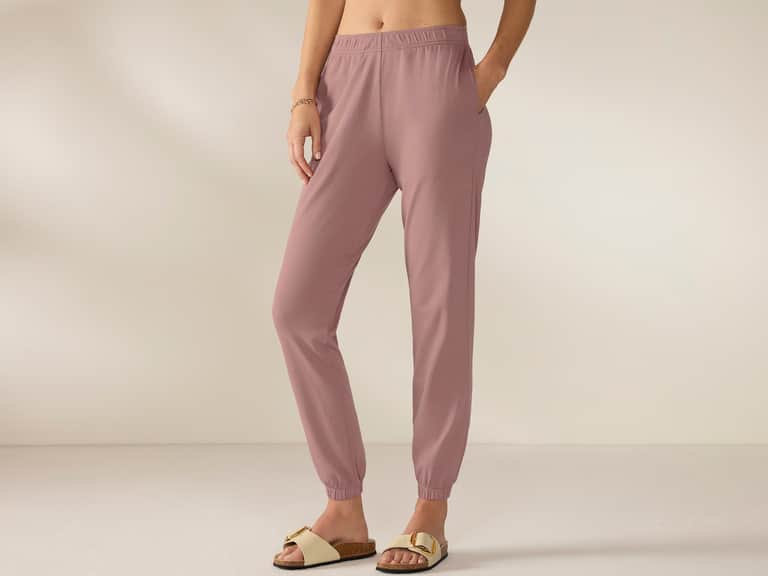
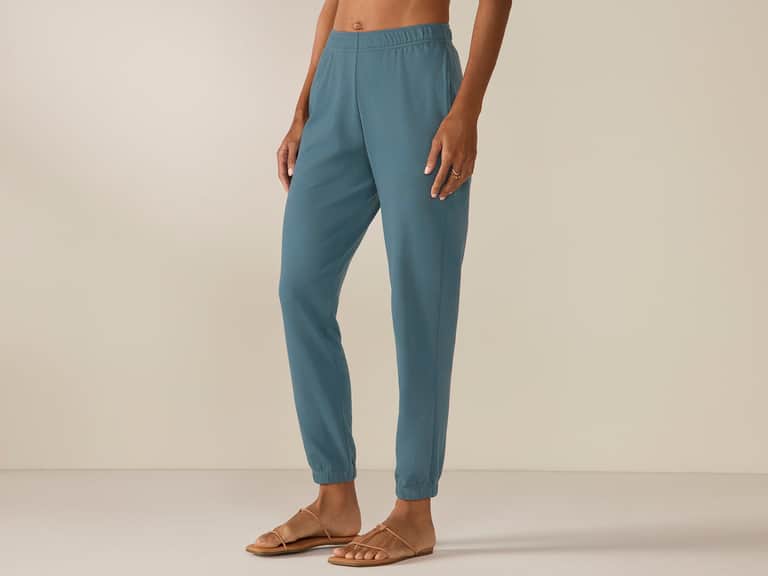
Women's Pima Organic Knit Jogger (3703)
Crafted from 100% organic Pima cotton, these joggers offer a soft, breathable feel with an elastic waistband and practical pockets. GOTS certified and grown in Peru, they embody comfort with responsible textile practices.
Price: $128.00
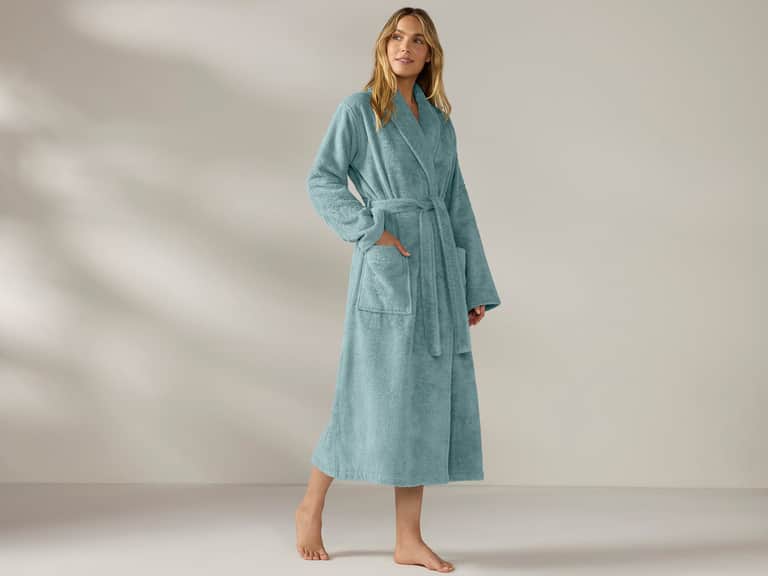
Unisex Cloud Loom Organic Robe (3934)
A plush 100% organic cotton robe with the Aerospin process for loft and durability. Shawl collar, adjustable belt, and side pockets deliver practical comfort for lounging.
Price: $178.00
Archive Notes: Brief Historical Context on Fabrics
Understanding the fabric history behind polo shirts and sweatshirts enriches how we choose today. Cotton has long been a staple, evolving through combed cotton, ozone washes, and gentle mercerization to improve luster and strength. Piqué weaves emerged in polo shirt production, delivering a distinctive texture that aids breathability. Sweatshirt fabrics evolved from heavy fleece to lighter, more performance-oriented blends, aligning with active lifestyles.
Want more practical, non-promotional guidance?
This article is part of a broader Clothing Education Hub focused on actionable care, fit guidance, and neutral comparisons. If you’d like, we can draft a lightweight site architecture (menu structure, a sample content calendar, and an initial set of 10 article outlines) tailored to Direction C.