Clothing and Accessories · Fabric & Care
Inside Coyuchi’s Organic Cotton Joggers: Fiber, Fit, and Everyday Care
The right pair of joggers can make an ordinary day feel a little more comfortable. A closer look at organic Pima cotton, knit construction, relaxed fit, and simple care explains what to expect from Coyuchi’s joggers—and how to help them hold their softness and shape.
Some clothes make a strong first impression. Others quietly earn their place in the weekly rotation: the pair you reach for when the morning starts slowly, when travel calls for an easy layer, or when a busy day finally turns into downtime. Joggers belong to that second group. Their appeal is practical, but the details matter. Fiber, fabric structure, waistband design, and laundering habits all play a part in how comfortable pants feel and how well they wear.
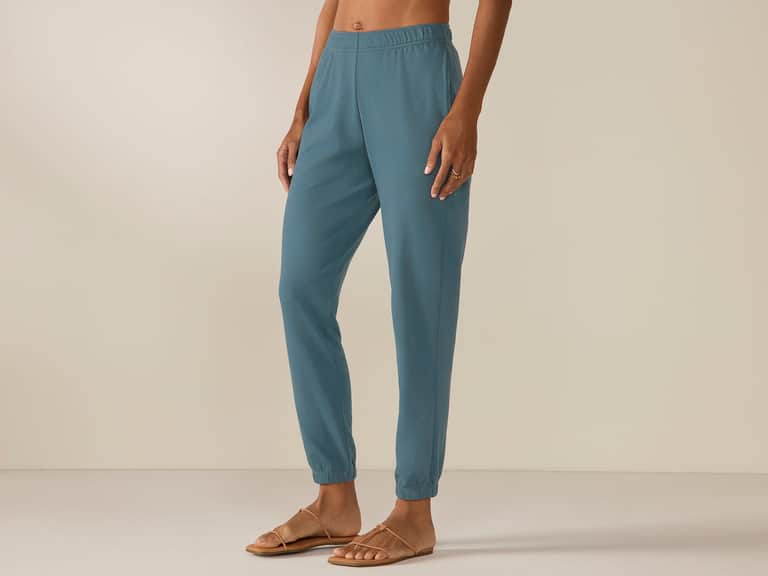
Coyuchi’s Women’s Pima Organic Knit Jogger brings several of those details together in a straightforward design. It is made from 100% organic Pima cotton, uses a knit fabric, and has a relaxed fit, a half-inch elastic waistband, and pockets. The cotton is grown and the garment knit in Peru, and the product is certified to the Global Organic Textile Standard, commonly abbreviated as GOTS. Those specifics offer a useful starting point for understanding what this pair is designed to do—and what everyday care can help preserve.
This is not a promise that any one fabric or fit will suit every person or routine. It is a practical guide to reading the material and construction, assessing how relaxed pants may work in daily life, and approaching garment care with a little more confidence.
What Pima cotton brings to a pair of joggers
Cotton is a familiar natural fiber, but not all cotton fabrics feel alike. Fiber characteristics, yarn preparation, knitting, finishing, and garment construction can all influence the final texture. Pima cotton is a long-staple cotton: its fibers are relatively long compared with many shorter-staple cottons. Longer fibers can be spun into smooth, strong yarns, which is one reason Pima is often associated with a soft hand and a polished surface.
In these joggers, the stated fiber content is 100% organic Pima cotton. That tells you the garment is not described as a cotton-polyester blend or a stretch-fiber mix. The cotton gives the fabric its familiar natural feel, while the knit structure contributes flexibility and a comfortable drape. The result is intended for easy daily wear rather than the crisp, structured feel of woven trousers.
Breathability is another reason cotton is popular in loungewear. Air can move through many cotton knits more readily than through tightly constructed or heavily coated fabrics, though the actual experience depends on the fabric’s weight, density, and finish. Cotton can absorb moisture, too. That can feel comfortable in ordinary conditions, but it also means a cotton garment may take longer to dry than some lightweight synthetic fabrics. The product information does not specify a fabric weight, so it is best not to assume a particular thickness or warmth level.
“Organic” describes how the cotton is produced under an applicable standard; it does not, on its own, tell you how a garment will feel, how long it will last, or whether it is suitable for a particular activity. The listed GOTS certification adds a named standard to the product’s material information. Readers comparing clothing can check certification details and the specific scope of a claim rather than treating any single label as a complete account of a product’s environmental impact.
For a closer look at the stated materials and construction, see the Women’s Pima Organic Knit Jogger. Its product details list organic Pima cotton, knit construction, GOTS certification, and growth and knitting in Peru.
Why knit construction matters
Knits are made by interlooping yarn, creating a fabric structure that can flex as the wearer moves. That flexibility is one reason knit pants often feel more casual and forgiving than woven pants. A knit garment may have a soft, easy drape, and the fabric can give slightly as someone sits, walks, or stretches. How much it moves depends on the yarn and the knit, not simply on the word “knit” on a label.
The jogger’s product description identifies its fabric as knit but does not name a particular stitch or give a technical specification for the fabric. That means it is reasonable to expect a relaxed, flexible feel from the described construction, but not to infer a precise amount of stretch, a specific knit pattern, or performance features that are not listed. The garment contains 100% cotton according to the product information, so it should not be assumed to include elastane or another stretch fiber.
Fabric structure also shapes how pants respond to regular wear. Areas that experience repeated movement or friction—such as the seat, inner thighs, and knees—may show changes over time in many knit garments. The speed and extent of those changes vary with wear frequency, laundering, fabric density, and how the pants fit. A relaxed cut can reduce some pulling associated with a close fit, but it cannot make any textile immune to wear.
When evaluating a knit garment, look beyond fiber names. Consider the surface, how the fabric hangs, whether it feels substantial enough for your intended use, and how it behaves when you move. If buying in person, gentle handling can help you assess softness and drape. If shopping from a description, rely on the listed composition, care directions, garment measurements, and any available fit information rather than guessing at details that have not been provided.
A relaxed fit for home and casual routines
The silhouette described for Coyuchi’s jogger is relaxed, a useful distinction from leggings, slim trousers, or tailored pants. A relaxed shape generally leaves more room through the body of the garment, allowing an easy feel for lounging and everyday movement. It can work well for time at home or casual outings, depending on how the wearer likes pants to sit and what they plan to pair them with.
Fit is personal, and the word “relaxed” does not replace sizing information. For a more informed choice, consult the product’s current size chart and compare its measurements with a pair of pants that fits comfortably. Waistband placement, rise, leg shape, and hem length can all affect how a jogger feels. If you prefer a closer fit, check whether the available sizing guidance suggests a different size; if you like extra ease, consider the garment measurements before choosing.
The half-inch elastic waistband is a simple functional detail. An elastic waist can make pants easier to pull on and can accommodate small changes in posture throughout the day. The product description also lists multiple pockets, a practical feature for carrying small essentials around the house or during a casual errand. Pocket depth and placement can affect comfort and usefulness, so those details are worth checking if they are important to your routine.
For styling, a knit jogger can be treated as a versatile casual basic rather than a piece with a fixed occasion. A soft top or sweatshirt creates an uncomplicated at-home combination; a neat polo or simple shirt can make the outfit feel more considered without sacrificing ease. Footwear and the rest of the outfit do the work of setting the tone. The useful question is less “What is the one correct way to wear joggers?” and more “Does this silhouette suit the setting and feel comfortable for the day ahead?”
Because the garment is described as a women’s jogger, its fit and sizing information should be read in that context. Individual bodies and preferences vary, however, and a label alone cannot predict how a particular size will fit. Measurements and personal fit priorities remain the clearest guide.
Everyday care: keep the routine gentle
Care instructions are not an afterthought; they are part of how a garment is designed to be used. For this jogger, the listed guidance is to machine wash cold on a gentle cycle and tumble dry low. Those directions offer a sensible routine for regular laundering while limiting unnecessary heat and agitation. Always check the care label on the garment itself, since the label is the most direct reference for the item in hand.
- Wash with similar colors. Sorting helps reduce the chance of color transfer, especially when washing new or deeply colored clothing.
- Choose cold water and a gentle cycle. The product’s care guidance specifically recommends both. Avoid substituting a hotter, more vigorous cycle unless the garment label says otherwise.
- Use a suitable amount of detergent. Follow the detergent directions for the load size. More detergent is not automatically better and may leave residue on fabric.
- Dry on low heat. The listed instructions allow tumble drying on low. Remove the garment promptly when the cycle ends to help limit prolonged heat and creasing.
- Reshape gently if needed. While the fabric is still slightly damp, smooth the waistband and legs into shape without tugging. This is a practical handling step, not a substitute for the stated care directions.
- Store clean and fully dry. Make sure the garment is dry before putting it away, and avoid leaving it compressed in a damp laundry pile.
These steps can help maintain softness and shape, as the product information suggests, but no care routine can guarantee that a garment will remain unchanged forever. Cotton knits can gradually respond to repeated washing and drying. Heat, friction, overloading the washer, and rough handling may add stress, so a gentle approach is a reasonable habit for clothing you want to keep in regular rotation.
For small spills, treat the mark promptly when practical. Blot rather than rub, and follow the care label and any stain-product instructions. Rubbing can spread a stain or roughen the surface, while aggressive treatments may affect color or texture. If a mark persists, check that any chosen treatment is appropriate for cotton and test it discreetly where possible. Avoid mixing cleaning products, and do not use bleach or specialty treatments unless the garment instructions support them.
How to think about softness, shape, and longevity
Softness is a welcome feature, but it is only one part of a garment’s usefulness. A pair that remains comfortable after repeated wear, suits the wearer’s routine, and can be cared for without a complicated process may deliver more everyday value than a garment reserved for special occasions. The Pima cotton, knit fabric, and relaxed cut in this jogger are all details that point toward casual comfort, while the care instructions set expectations for maintenance.
To help a knit garment keep its shape, avoid stretching it sharply when wet and do not leave it hanging in a way that pulls heavily on one area. Folding is a straightforward storage option for many knit pants. If you prefer to hang them, use a method that supports the garment without creating a long-term strain at the waistband. These are general handling tips; the garment’s own care label should take priority.
It is also useful to separate natural fiber qualities from product guarantees. Pima cotton’s longer fibers are associated with smooth yarn, but a fiber name alone cannot predict how a finished garment will perform after years of wear. Knitting, finishing, construction, fit, and care all contribute. Likewise, organic content and certification are relevant sourcing information, but they do not by themselves establish a garment’s lifespan or complete environmental footprint.
Small habits can make a difference over time: washing only when needed, using an appropriate load size, avoiding excess heat, and following the recommended cycle. These are not complicated tricks. They are a way to reduce avoidable stress on a garment while making care more predictable.
Is this kind of jogger right for your routine?
A relaxed cotton jogger may suit someone looking for soft, casual pants for lounging and everyday wear. The listed composition is 100% organic Pima cotton, and the knit construction is intended to offer a comfortable, flexible feel. The elastic waistband and pockets add familiar practical touches. Together, those features make a clear case for considering the garment as loungewear or casual pants.
It may be less suited to someone specifically seeking technical sportswear, a water-resistant finish, or a highly compressive fit. The product information does not describe moisture-wicking performance, weather protection, or a stretch-fiber blend, so those features should not be assumed. For running, high-intensity exercise, or wet conditions, compare the garment’s stated properties with the demands of the activity and choose accordingly.
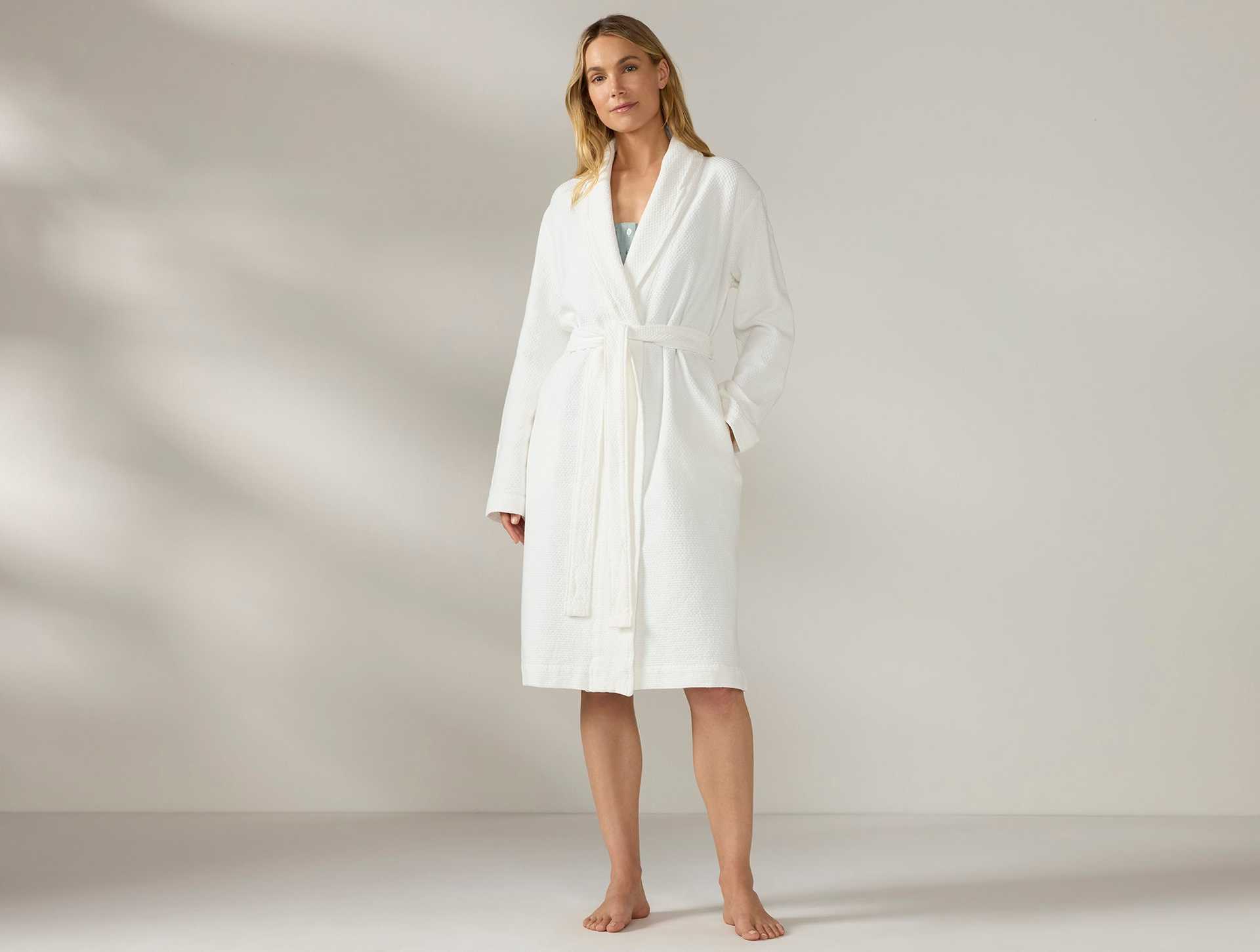
Season also matters. Cotton knit can feel comfortable in a range of indoor settings, but the product information does not specify fabric weight, so it cannot establish exactly how warm or cool the jogger will feel. Layering can make casual clothing more adaptable: add a sweatshirt or robe for a cooler room, or choose a lighter top when the setting is warm. The best combination is the one that feels comfortable without asking the garment to perform a role it was not described for.
Before choosing, it helps to check a few practical points:
- Does the size chart support the kind of relaxed fit you prefer?
- Are the listed cotton composition and knit construction appropriate for how you plan to wear the pants?
- Do the waistband and pockets match your everyday preferences?
- Can you follow the recommended cold, gentle wash and low-heat drying instructions?
- Are you looking for casual comfort rather than specialized athletic or outdoor performance?
The useful details behind an easy pair of pants
Good loungewear rarely needs a complicated pitch. Its appeal is often in the small decisions: a fabric that feels pleasant against the skin, a cut that leaves room to move, a waistband that is easy to wear, and care instructions that fit ordinary laundry routines. Coyuchi’s Women’s Pima Organic Knit Jogger brings those elements into one everyday design, with organic Pima cotton, a knit construction, a relaxed silhouette, an elastic waist, and pockets.
Knowing what those terms mean can help shoppers make a more grounded decision. Pima cotton describes the fiber; knit describes the fabric construction; relaxed fit describes the intended silhouette. GOTS certification supplies a named standard associated with the product’s organic cotton claim. Each detail answers a different question, and none needs to stand in for all the others.
In the end, comfort is personal, but care can be simple. Check the fit information before choosing a size, consider whether a cotton knit suits your routine, and follow the garment’s cold gentle-wash and low-heat-dry guidance. That is a practical foundation for enjoying a pair of joggers through quiet mornings, slow evenings, and all the everyday moments in between.